
AI Influencer Generator: Create Virtual Influencers
Transform brand marketing with AI influencer generators. Create virtual digital humans for content production without traditional bottlenecks. Minute-level generation, 70+ languages, complete brand control.
TL;DR: AI influencer generators enable brands to create virtual digital humans for content marketing without traditional production costs. These platforms deliver studio-quality influencer content in minutes through automated video creation, avatar customization, and multilingual localization with lip-sync.
Virtual influencers represent a fundamental shift in brand marketing. Unlike traditional influencer partnerships requiring negotiations, scheduling conflicts, and unpredictable results, AI influencer generators give brands complete control over their digital spokesperson. According to research from Influencer Marketing Hub, creators are building virtual influencer monetization models generating $10,000+ per month in revenue.
An ai influencer generator is a platform that uses artificial intelligence to create realistic digital avatars capable of producing consistent, on-brand content across social media channels. These tools eliminate production bottlenecks by automating script generation, avatar animation, voice synthesis, and video localization. For cross-border e-commerce merchants, advertising agencies, and enterprise marketing teams, this technology transforms content creation from a weeks-long process into minute-level production.
What is an AI Influencer Generator
AI influencer generators combine facial animation technology, neural voice synthesis, and automated video production into unified platforms. These systems create virtual influencers—digital human avatars that interact with audiences on TikTok, Instagram, YouTube, and other social channels as if they were real people.
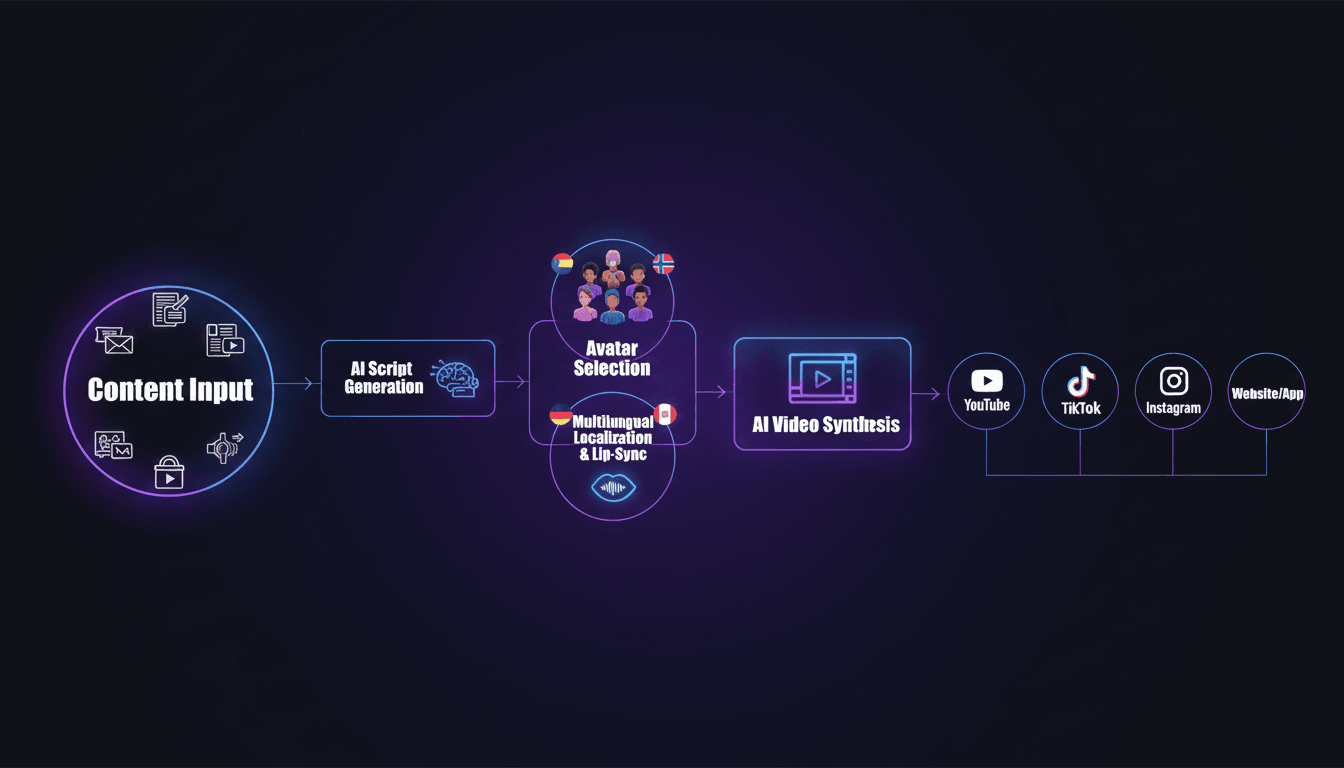
The technology works through several integrated components. Users input content parameters including topics, product URLs, or complete scripts. The AI then generates conversion-optimized scripts matching brand voice guidelines. Next, users select from avatar libraries featuring diverse digital humans with distinct appearances, personalities, and voice characteristics. Finally, the platform synthesizes these elements into finished video content with professional-grade production quality.
According to EComposer's analysis, the AI influencer market is projected to reach $1.5 billion by 2025. Major brands are investing in virtual influencers because they deliver consistent messaging without the variables inherent to human partnerships.
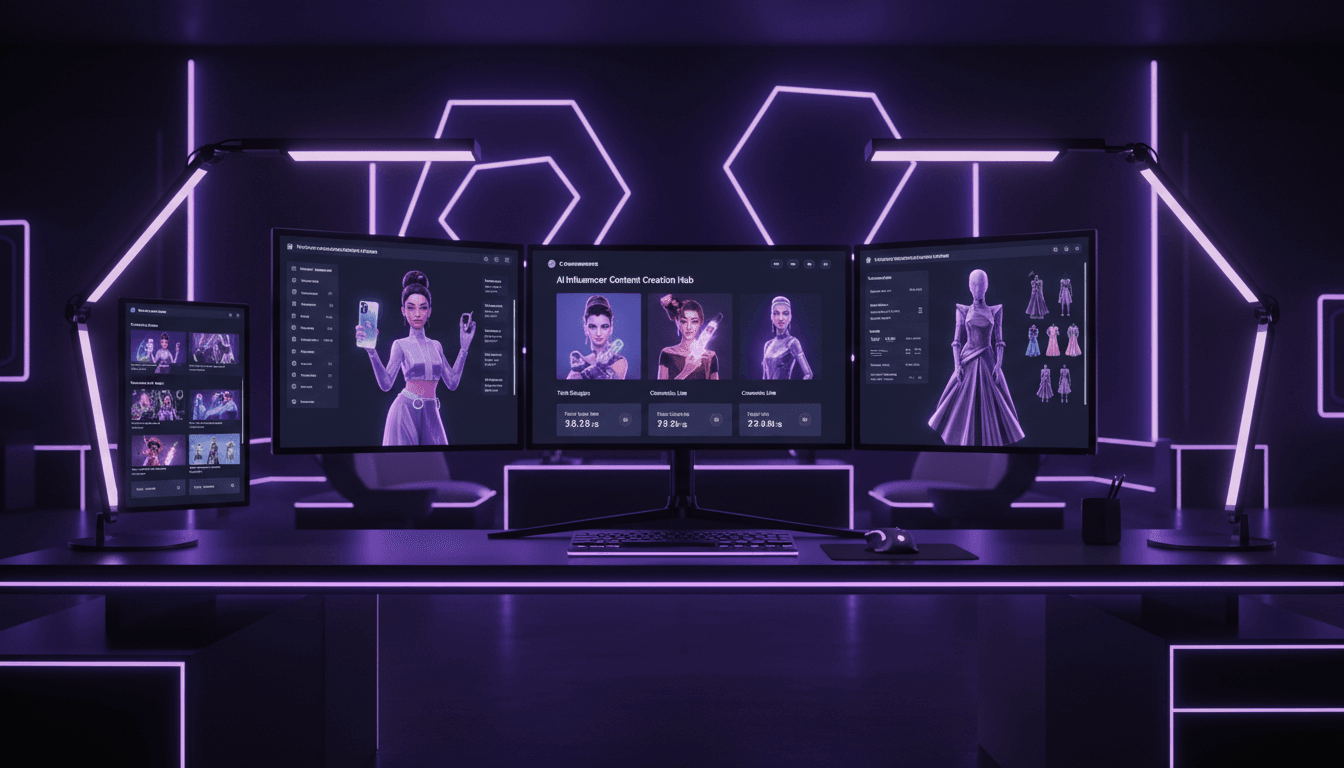
Key Features of Modern AI Influencer Platforms
Modern platforms offer sophisticated capabilities beyond basic avatar generation. Avatar and voice cloning technology enables brands to create unique digital humans that maintain visual consistency across thousands of content pieces. Leading platforms provide 200+ diverse avatars and 150+ voice options supporting regional dialects.
Advanced systems deliver multilingual localization in 70+ languages with synchronized lip-sync, eliminating costly reshoot requirements for global campaigns. Batch generation capabilities allow marketers to produce hundreds of video variations simultaneously, converting entire product catalogs into influencer-led demonstrations through URL-to-video conversion.
Types of Content AI Influencers Create
Virtual influencers excel at specific content formats. Product demonstrations showcase features through clear explanations and visual walkthroughs. AI product video tools transform static product images into dynamic presentations led by digital avatars.
Unboxing videos and first-impression reactions perform exceptionally well because AI influencers deliver consistent enthusiasm and presentation quality. Tutorial content and how-to guides benefit from the ability to generate multiple language versions without reshooting.
Brand storytelling content allows companies to control narrative completely. Corporate messaging, value propositions, and campaign themes get delivered through personable digital humans that build audience connection without human variability. AI video ads leverage this consistency to maximize conversion rates across paid social campaigns.
Why Brands Choose AI Influencer Generators
Traditional influencer marketing carries inherent risks. Contract negotiations extend timelines. Creative differences require multiple revision rounds. Scheduling conflicts delay campaigns. Human influencers experience burnout, reputation changes, and contract disputes. AI influencer generators eliminate these variables.
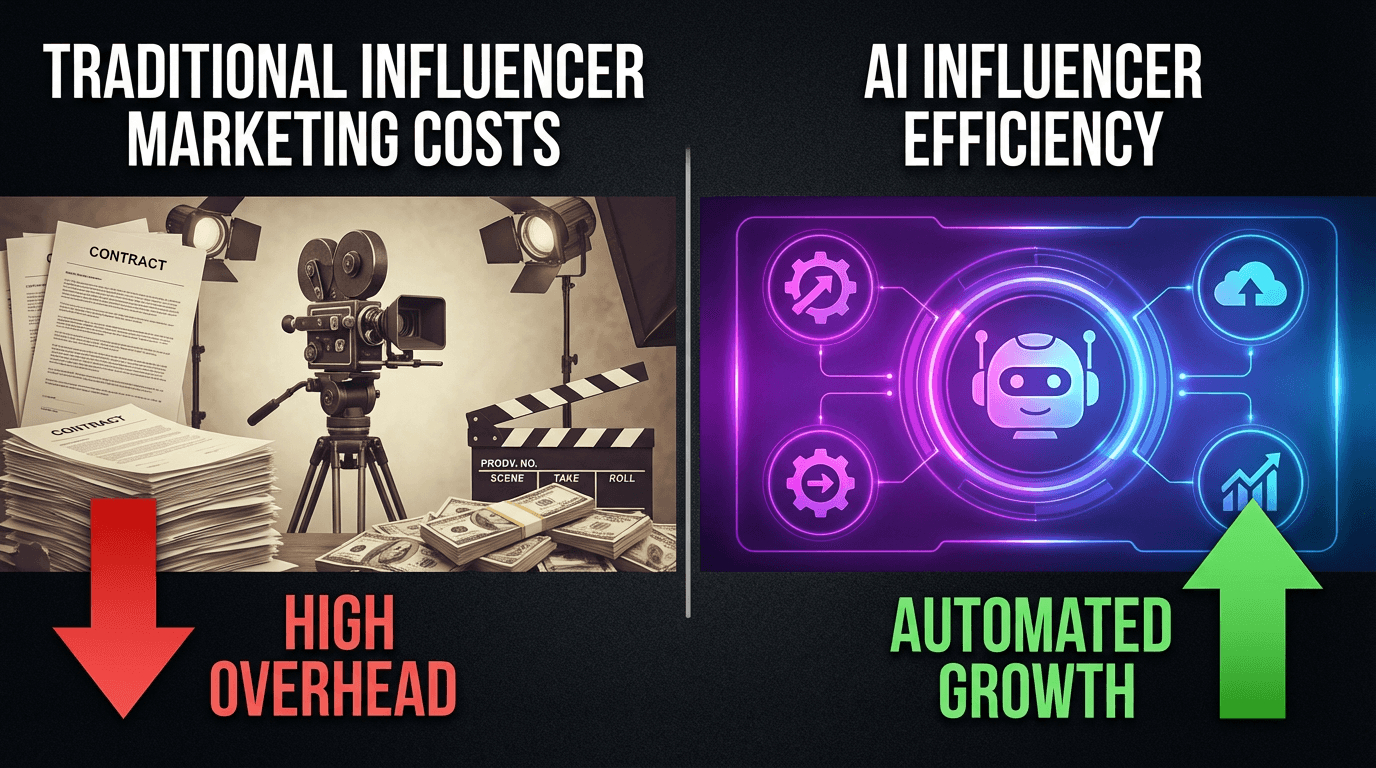
Cost Efficiency and Production Speed
According to HeyGen's research, brands reduce content production costs by 70-85% compared to traditional influencer partnerships. A single AI subscription replaces contracts with multiple human influencers while delivering unlimited content volume.
Production timelines compress from 3-6 weeks to 3-5 minutes. This speed advantage enables real-time marketing responses, allowing brands to capitalize on trending topics within hours. Marketing teams can upload product catalogs and generate hundreds of unique videos overnight—scalability impossible with human influencers.
Brand Control and Consistency
AI influencers never deviate from brand guidelines, ensuring every piece of content adheres to approved messaging and visual standards. Unlike human partnerships where off-brand activity can damage reputation, virtual influencers represent controlled brand extensions. Creative control remains entirely internal, enabling frictionless A/B testing and data-driven optimization without external negotiations.
Global Market Expansion
Cross-border e-commerce faces language barriers that human influencers cannot solve cost-effectively. Video translation and dubbing technology enables one digital influencer to speak authentically in 70+ languages with natural lip-sync and regional accents.
This localization capability transforms market entry economics. Instead of hiring influencers in each target country, brands deploy one virtual influencer adapted linguistically for every market. Product demonstrations recorded once become multilingual assets supporting global campaigns.
How to Create Virtual Influencers for Your Brand
Building an effective AI influencer requires strategic planning beyond simply generating an avatar. Successful implementations align virtual personalities with brand identity and audience expectations.
Define Your Virtual Influencer Strategy
Start by establishing clear content objectives—product education, entertainment, brand storytelling, or purchase conversion. Different goals require different avatar personalities and content formats.
Audience analysis informs avatar selection. B2B technology brands need professional, authoritative digital humans while consumer fashion brands require personable, trend-aware personalities. Target demographics including age ranges, cultural backgrounds, and regional preferences should guide avatar customization. Content frequency planning affects platform selection—daily publishing requires robust batch generation while quarterly campaigns may prioritize customization depth.
Select the Right AI Influencer Platform
Keevx stands out for brands requiring comprehensive video automation with e-commerce integration. The platform converts Amazon, Shopify, eBay, and Etsy URLs directly into influencer-led product videos. With 234 diverse avatars, 169 voice options, and 70+ language localization with lip-sync, Keevx delivers minute-level production for cross-border merchants and enterprise marketing teams. Ideas to video functionality transforms simple concepts into finished content without technical expertise.
Platform evaluation should prioritize three technical capabilities. First, facial consistency—the avatar must maintain distinctive features across different angles, lighting conditions, and expressions. Second, voice naturalness—synthetic speech should sound conversational, not robotic. Third, production speed—true minute-level generation enables agile marketing responses.
Build Your Avatar Identity
Avatar customization extends beyond physical appearance. Define personality traits aligning with brand voice—authoritative and educational or friendly and conversational. Voice tone, speaking pace, and gesture patterns contribute to perceived personality.
Visual consistency matters for audience recognition. Choose distinctive features like hairstyle or fashion sense that make your virtual influencer immediately identifiable. Test different avatar variations and track engagement metrics to ensure data-driven selection for optimal performance.
Create and Distribute Content
Modern platforms streamline content workflows. Upload product information, links, or topic outlines for AI script generation that produces conversion-optimized content matching your brand voice. Select your configured avatar and voice, then generate finished videos.
Market trends analysis helps identify high-performing content opportunities. Platforms integrating viral content tracking enable brands to capitalize on trending formats by generating variations of proven content styles adapted to your products.
Advanced AI influencer generators automatically adapt aspect ratios, duration, and pacing for each platform's algorithm preferences, ensuring content performs across YouTube, TikTok, and Instagram Reels.
Best Practices for AI Influencer Marketing
Maintain Authenticity and Transparency
Audience trust depends on honest communication. Disclose that your influencer is AI-generated rather than attempting to deceive viewers. According to platforms specializing in virtual influencers, transparent AI influencers achieve comparable engagement rates to human counterparts when positioned authentically. Create genuine personality depth through consistent behavior patterns including recognizable preferences and communication styles.
Optimize Content for Platform Algorithms
Each social platform rewards different content characteristics. TikTok prioritizes immediate visual hooks and rapid pacing, Instagram values aesthetic consistency, and YouTube emphasizes watch time. Tailor your AI influencer's content style to each platform and track performance metrics to identify which variations drive optimal engagement.
Integrate AI Influencers with Broader Marketing
Virtual influencers amplify other marketing initiatives rather than replacing them. Use AI-generated content for paid social advertising, product launches, and website demonstrations. Combine AI efficiency with human creativity—marketing teams develop strategy while AI platforms execute tactical production at scale.
Measuring AI Influencer Performance
Track standard social media metrics including reach, engagement rate, click-through rate, and conversion rate to evaluate content performance. Compare AI influencer ROI against traditional alternatives by calculating cost-per-acquisition for virtual campaigns versus human partnerships.
A/B testing becomes frictionless with virtual influencers. Generate multiple content variations testing different scripts, visual presentations, and calls-to-action. Implement unique tracking links and conversion pixels to measure how campaigns drive website traffic, lead generation, and sales revenue.
Frequently Asked Questions
How much does an AI influencer generator cost?
AI influencer platforms typically offer subscription pricing ranging from $29-299 per month depending on features and video generation limits. Enterprise solutions with unlimited generation, custom avatars, and API access reach $500+ monthly. Most platforms provide free trials allowing brands to test capabilities before committing. Cost efficiency compared to traditional influencer contracts becomes apparent at scale—brands producing weekly content see ROI within 2-3 months.
Can AI influencers replace human influencers completely?
AI influencers excel at controlled brand messaging, product demonstrations, and scalable content production. However, human influencers bring authentic lived experiences, genuine emotional connections, and cultural credibility that AI cannot replicate. The optimal strategy combines both: use virtual influencers for consistent brand content and human partners for authentic storytelling and community building. Many successful brands deploy hybrid approaches leveraging each format's strengths.
Are AI influencers effective for B2B marketing?
B2B brands successfully use AI influencers for product demonstrations, tutorial content, and thought leadership videos. Professional-looking digital avatars deliver credibility for technical explanations and software demonstrations. According to industry analysis, B2B companies using AI video content report 43% higher engagement than static presentations. The key is selecting appropriate avatar personalities—authoritative, professional digital humans rather than casual social personalities.
What are the ethical considerations for AI influencers?
Transparency represents the primary ethical requirement—audiences should understand they're engaging with AI-generated content. Most social platforms require disclosure of synthetic media. Beyond legal compliance, audience trust depends on honest communication. Additional considerations include avoiding deceptive practices, respecting intellectual property when training AI models, and ensuring diverse representation in avatar libraries. Responsible use builds sustainable audience relationships.
Conclusion
AI influencer generators transform brand marketing by delivering consistent, scalable content production without traditional bottlenecks. Virtual influencers eliminate scheduling conflicts, contract negotiations, and reputation risks while maintaining complete brand control.
The technology now supports sophisticated applications including multilingual localization with lip-sync, batch generation from product URLs, and viral content replication. Successful implementation requires strategic planning: defining clear content objectives, selecting platforms matching technical requirements, and building authentic digital personalities that resonate with target audiences. Brands investing in these technologies establish competitive advantages in production efficiency, market expansion speed, and content optimization capabilities.
Ready to transform your content production with AI influencer technology? Start Free Trial and generate your first virtual influencer video in minutes.
