
The Science Behind Viral TikTok Ads: Frame-By-Frame Breakdown
Learn the scientific framework behind viral TikTok ads through detailed frame-by-frame analysis. Discover the psychology of hooks, optimal ad structure, and proven formulas that drive engagement.
TL;DR: Viral TikTok ads follow a predictable scientific framework: 63% deliver their core message in the first 3 seconds, use psychological triggers like pattern interruption and curiosity gaps, and maintain 65%+ retention rates through strategic frame-by-frame structure. Master these elements to transform your ad performance.
What separates a TikTok ad that generates millions of views from one that gets scrolled past in milliseconds? The answer lies in neuroscience, psychology, and a precise understanding of how each frame contributes to viewer engagement. TikTok ad analysis reveals that viral content isn't random—it follows a measurable formula that top-performing brands have reverse-engineered and replicated.
In this breakdown, we'll dissect the exact frame-by-frame structure of viral TikTok ads, examining the psychological triggers that stop thumbs mid-scroll and the metrics that separate high performers from the rest. Whether you're an e-commerce seller, marketing agency, or content creator, understanding this science will transform how you approach video advertising.
The 3-Second Rule: Why Your First Frames Determine Everything
Research shows that 63% of all successful TikTok ads convey their main message within the first three seconds. This isn't arbitrary—it reflects how the human brain processes visual information in a scroll-heavy environment.
According to Facebook's research, 45% of viewers who watch the first three seconds will continue for at least another 30 seconds. More critically, videos with strong 3-second retention rates above 65% receive 4 to 7 times more impressions than those that lose viewers immediately.
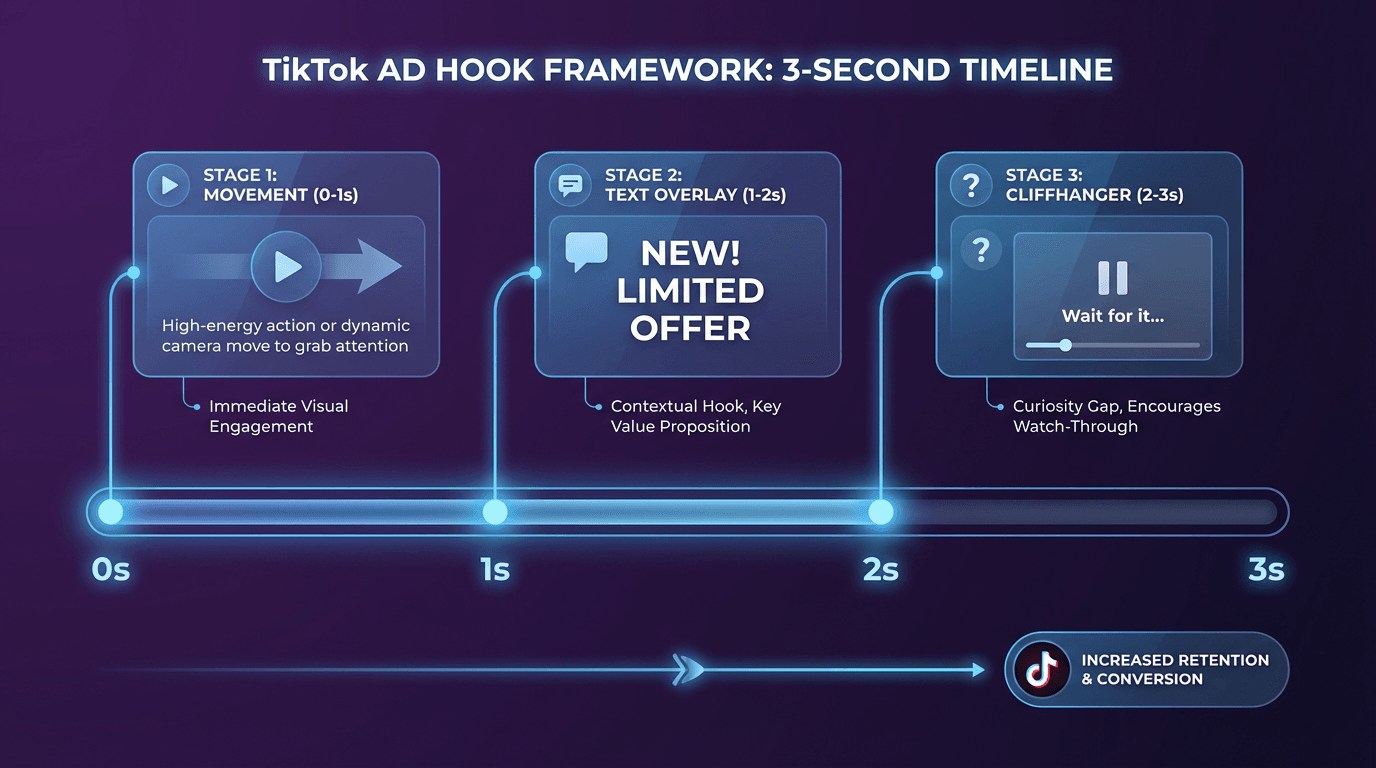
Frame 1-3: The Pattern Interrupt
The first frame must break the viewer's scrolling pattern. Effective techniques include:
- Unexpected visual movement: A sudden gesture, cut, or scene change
- Bold text overlay: 63% of top-performing auction ads use text in the first frame (crucial for muted viewing)
- Emotional expression: A surprised or intense facial expression triggers automatic curiosity
Frame 4-15: The Hook Delivery
Once you've stopped the scroll, frames 4-15 deliver your hook—the promise of value that justifies continued watching. This is where the "curiosity gap" opens: presenting incomplete information that viewers feel compelled to resolve.
Psychology Behind Viral Hooks
Understanding why certain hooks work requires examining three psychological triggers that drive engagement: pattern interruption, curiosity gaps, and social proof.
Pattern Interruption
Our brains are wired to notice anything that breaks expected patterns. When scrolling through similar videos, something visually or verbally unexpected forces a pause. This is why negative hooks (e.g., "Stop doing this wrong") often outperform positive hooks by 2x—humans are wired to avoid loss.
Curiosity Gaps
A hook creates what psychologists call a "curiosity gap"—the uncomfortable feeling of incomplete information that humans feel compelled to resolve. The question must be specific, relevant, and impossible to answer with a simple yes or no.
Effective curiosity-driven hooks include:
- "Here's what nobody tells you about..."
- "I tested this for 30 days and..."
- "The reason your ads fail is..."
The Talking Head Advantage
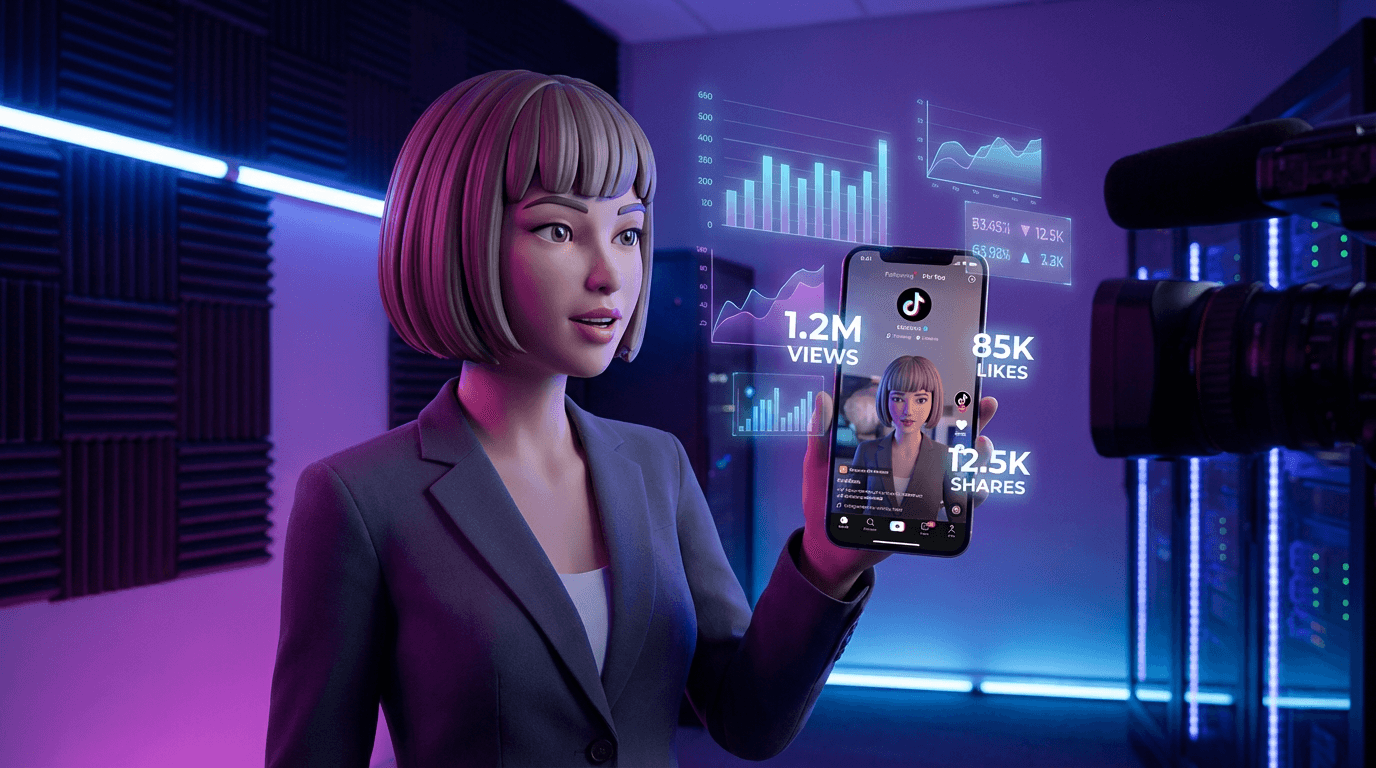
Data shows that ads featuring a person speaking directly to camera convert 33% better than voice-over-only visuals. According to analysis of viral content, 60% of viral videos feature a visible person on screen, with 51% showing someone speaking directly to the viewer.
This works because direct address creates parasocial connection—viewers feel personally spoken to rather than marketed at. AI avatar technology makes this approach accessible without requiring on-camera talent, enabling brands to create talking-head content at scale.
Frame-By-Frame Breakdown: Anatomy of a Viral Ad
Let's examine the exact structure that 82% of viral videos follow: hook, payoff, and loop.
Seconds 0-3: The Hook
- Visual: Movement or unexpected imagery
- Audio: Strong opening statement or question
- Text: Reinforcing message for muted viewers
- Goal: Achieve 65%+ retention
Seconds 3-10: The Setup
- Establish the problem or promise
- Build anticipation for the payoff
- Maintain visual variety (cut every 2-3 seconds)
- Use text overlays to reinforce key points
Seconds 10-20: The Payoff
- Deliver the promised value
- Show transformation, result, or answer
- Include social proof if applicable
- Maintain engagement through visual pacing
Final Frames: The Loop
- Create a seamless transition back to the beginning
- Encourage rewatches (signals high engagement to algorithm)
- Include clear CTA without disrupting the loop
Tip: Videos that loop seamlessly get higher watch-time metrics because viewers often watch multiple times without realizing, boosting your algorithmic performance.
Key Metrics for TikTok Ad Analysis
Conducting effective TikTok ad analysis requires tracking specific metrics that indicate performance at each stage of the viewer journey.
Retention Metrics
- 3-second retention rate: Target 65%+ (below 65% indicates weak hook)
- Video completion rate (VCR): Measures how compelling your full content is
- Average watch time: Higher means stronger throughout engagement
Engagement Metrics
- Click-through rate (CTR): Indicates interest in your offer
- Engagement rate: Likes, comments, shares relative to views
- Share rate: The ultimate viral indicator
Conversion Metrics
- Cost per click (CPC): Efficiency of driving traffic
- Cost per acquisition (CPA): Ultimate ROI measurement
- Conversion rate: Percentage completing desired action
TikTok's native Video Insights tool allows frame-by-frame analysis, showing exactly where viewers drop off. Tools that analyze trending viral content can help identify patterns across high-performing ads in your niche.
Emotional Triggers That Drive Virality
According to research, emotional content dramatically outperforms neutral messaging. Here's what the data shows:
- 58% of viral TikTok videos trigger happiness
- Humor appears in 36.5% of viral content (more effective than dance trends)
- 78% of users are more likely to purchase when ads feel personally relevant
- 73% discover new products through TikTok ads they wouldn't have considered otherwise
The key insight: emotions drive shares, and shares drive virality. Structure your ad to trigger a specific emotional response within the first 3 seconds and maintain that emotional thread throughout.
Emotional Arc Structure
Frame your ad around one of these proven emotional arcs:
- Problem-Agitation-Solution: Start with relatable frustration, amplify it, then resolve
- Transformation: Show before/after states that trigger aspiration
- Surprise-Delight: Open with unexpected element, deliver satisfying payoff
- FOMO: Create urgency through scarcity or exclusivity
Applying Frame Analysis to Your Ads
Turning this science into practice requires a systematic approach to creating and testing ad content.
Step 1: Analyze Competitors
Study top-performing ads in your niche. Note their:
- Hook style and timing
- Visual pacing and cut frequency
- Text overlay usage
- CTA placement and format
Step 2: Build Your Hook Library
Create multiple hook variations for each ad concept:
- Question hooks ("Did you know...")
- Negative hooks ("Stop making this mistake...")
- Curiosity hooks ("Here's what happened when...")
- Direct hooks ("This product changed everything...")
Step 3: Test and Iterate
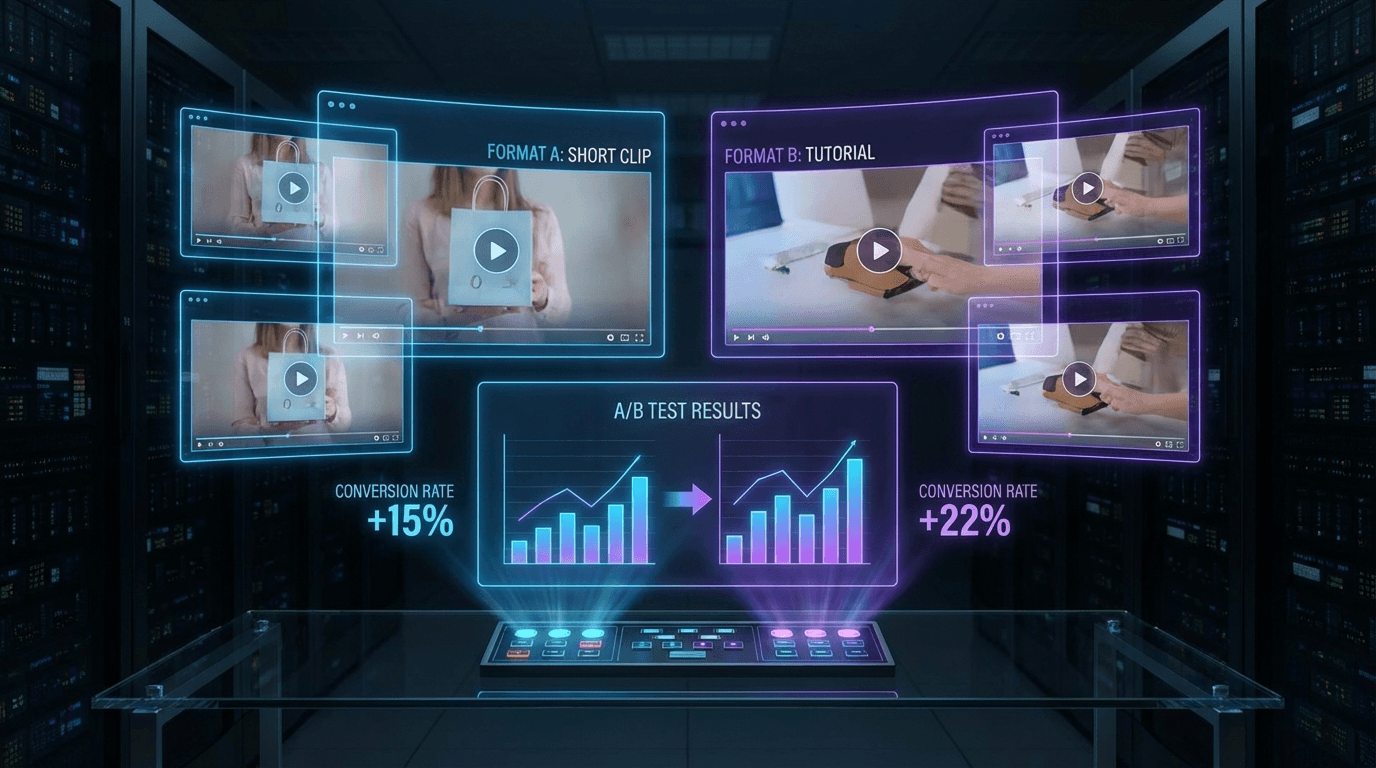
Run A/B tests focusing on:
- First 3 seconds only (hook testing)
- Different emotional appeals
- Text vs. no text overlays
- Person on camera vs. product-only
Step 4: Scale What Works
Once you identify winning formulas, use AI-powered video ad creation to produce variations at scale. This allows you to test multiple hooks, avatars, and formats without proportional increases in production time.
Frequently Asked Questions
How long should a TikTok ad be for maximum engagement?
While TikTok allows up to 60 seconds for in-feed ads, data shows that 15-30 seconds performs best for most objectives. The key is ensuring your hook lands in the first 3 seconds and your core message completes within the first 10 seconds. Longer content works for storytelling but requires exceptionally strong hooks to retain viewers.
What makes TikTok ad hooks different from other platforms?
TikTok's full-screen, sound-on (but often watched muted) format requires hooks that work both visually and audibly. Unlike YouTube where viewers choose to watch, TikTok ads must earn attention instantly. This makes the first frame more critical than on any other platform.
How can I test if my hook is strong enough?
Check your 3-second retention rate in TikTok Ads Manager. If you're losing more than 35% of viewers in the first 3 seconds, your hook needs work. Aim for 65%+ retention at the 3-second mark. Also watch your own ad and honestly assess: would you stop scrolling?
Should I use trending sounds in my TikTok ads?
Trending sounds can boost discovery but aren't required for ad success. What matters more is that your audio—whether music, voiceover, or dialogue—matches your hook's energy and reinforces your message. Original audio often performs better for ads because it doesn't compete with viewer expectations set by the trend.
Conclusion
Viral TikTok ads aren't accidents—they're engineered experiences built on psychological principles and precise frame-by-frame structure. By understanding the science behind the 3-second rule, leveraging emotional triggers, and systematically analyzing your metrics, you can transform your TikTok advertising performance.
The data is clear: 63% of successful ads deliver their message in the first 3 seconds, talking-head formats convert 33% better, and videos maintaining 65%+ early retention get 4-7x more impressions. Apply these frameworks to your next campaign and measure the difference.
Ready to create viral-ready TikTok ads without the production complexity? Start building professional video content with AI avatars, automated scripts, and proven templates.
