
Face Cloning vs Avatar Cloning: Key Differences Explained
Face cloning captures facial features and lip-sync, while avatar cloning creates full digital humans with body movements. Learn which AI technology suits your video production needs.
TL;DR: Face cloning AI replicates your facial features and lip-sync for talking-head videos, while avatar cloning creates a complete digital human with body movements, gestures, and personality. Choose face cloning for quick updates and avatar cloning for professional, full-body video production.
The AI video generation market is projected to grow from $716.8 million in 2025 to over $2.5 billion by 2032. At the center of this growth are two technologies that sound similar but serve different purposes: face cloning AI and avatar cloning. If you're an e-commerce seller, marketer, or content creator looking to scale video production without cameras or studios, understanding the difference between these technologies will help you choose the right tool for your needs.
Both technologies use deep learning to create digital versions of real people. But they differ in scope, output quality, and ideal use cases. This guide breaks down exactly what each technology does, how they compare, and which one fits specific business scenarios.
Understanding Face Cloning AI
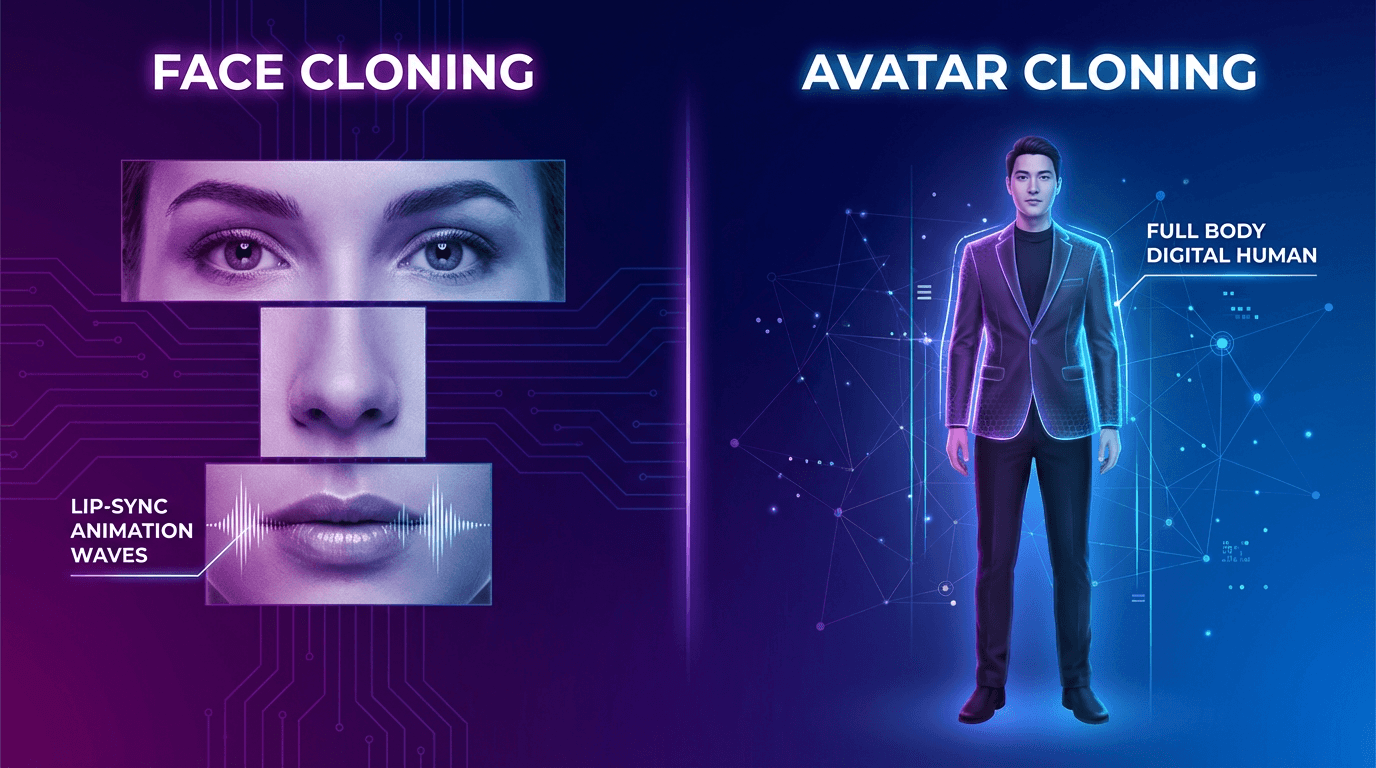
Face cloning AI focuses specifically on replicating facial features, expressions, and lip movements. The technology analyzes images or short video clips of a person's face, then generates new video content where that face speaks any script with accurate lip-sync.
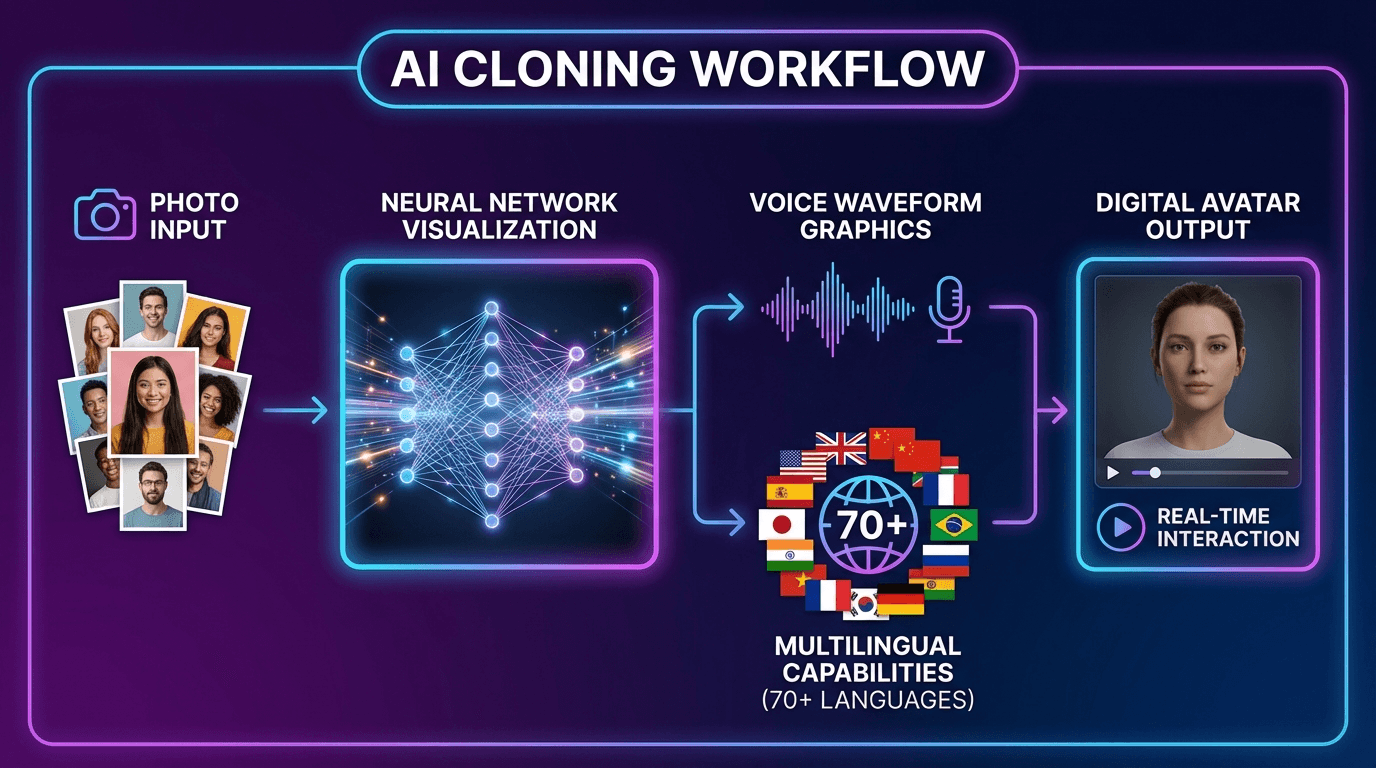
The process works through neural networks trained on millions of video hours. Given a few images of your face from various angles as training data, an AI can generate a double of your face to overlay onto existing footage. According to BBC Science Focus, this technology is now freely available and can be run on ordinary computers.
How Face Cloning Works
Face cloning uses Generative Adversarial Networks (GANs) and diffusion models to create photorealistic human faces. The AI learns patterns from your facial data and applies them to generate new expressions, mouth movements, and head tilts that match any audio input.
Key capabilities include:
- Lip-sync generation: Matching mouth movements precisely to spoken words
- Expression transfer: Replicating natural facial expressions and micro-expressions
- Head movement: Adding subtle movements that make the output look natural
- Voice synchronization: Pairing cloned faces with synthetic or recorded voice
Limitations of Face Cloning
Face cloning typically produces "talking head" content—video from the shoulders up. It excels at creating quick updates, announcements, and content where the speaker remains relatively stationary. However, it cannot generate full-body movements, hand gestures, or complex scene interactions.
What is Avatar Cloning
Avatar cloning goes beyond the face to create a complete digital human. This technology captures your appearance, voice, facial expressions, body language, and even personality traits, recreating them in digital form. Platforms offering avatar and voice cloning tools can produce avatars that display head-only, half-body, or full-body representations.
According to Andreessen Horowitz, Avatar 3.0 technology released in late 2025 captures unique gestures, hand movements, posture, and even conversational pauses. The avatar understands the script and adjusts its performance—facial expressions, body language, and voice style—in real time.
The Avatar Cloning Process
Creating an avatar clone typically requires 1-2 minutes of recorded footage. The AI analyzes this material to learn:
- Facial structure and expressions
- Voice patterns, accent, and emotional tone
- Body posture and natural movements
- Gesture patterns and hand movements
- Speaking rhythm and pauses
The result is a digital human that can generate new content in scenarios never filmed, speaking scripts in languages the original person doesn't know.
Avatar Customization Options
Modern avatar platforms offer extensive customization. You can update hairstyle, clothing, and backgrounds without recording new footage. Some services provide libraries of pre-built avatars—Keevx, for example, offers 234 diverse characters and 169 voice options supporting multiple regional languages.
How AI Cloning Technology Works
Both face cloning and avatar cloning rely on similar underlying technologies, applied at different scales.
Core Technologies
Deep Learning Models: Neural networks trained on millions of video hours predict how you would move, speak, and emote in any given situation.
Voice Synthesis: Systems like transformer-based models analyze short recordings of speech and replicate vocal timbre, cadence, accent, and emotional tone. These models can produce convincing speech in hundreds of languages.
Motion Capture: Avatar cloning adds full-body motion capture, tracking everything from shoulder movements to hand positions.
Processing Requirements
Face cloning can run on consumer hardware and typically delivers results in minutes. Avatar cloning requires more processing power and data, with some platforms taking several hours to days for initial avatar creation. However, once created, generating new content from either technology takes seconds to minutes.
Key Differences at a Glance
| Feature | Face Cloning | Avatar Cloning |
|---|---|---|
| Scope | Face and expressions only | Full body, gestures, personality |
| Output | Talking-head video | Full-body or half-body video |
| Setup Time | Minutes | Hours to days for initial setup |
| Input Required | Few photos or short video | 1-2 minutes of footage |
| Customization | Limited to face | Clothing, hair, background, body |
| Best For | Quick updates, social clips | Professional presentations, courses |
Practical Use Cases
The choice between face cloning and avatar cloning depends on your specific production needs.
When Face Cloning Works Best
Face cloning excels in scenarios requiring quick, frequent content updates:
- Social media content: Daily updates and short-form videos for TikTok or Instagram Reels
- Quick announcements: Company updates or product launches
- Personalized messages: Custom video responses to customers or clients
- A/B testing: Rapidly creating variations of the same message
When Avatar Cloning Delivers More Value
Avatar cloning suits professional, polished content needs:
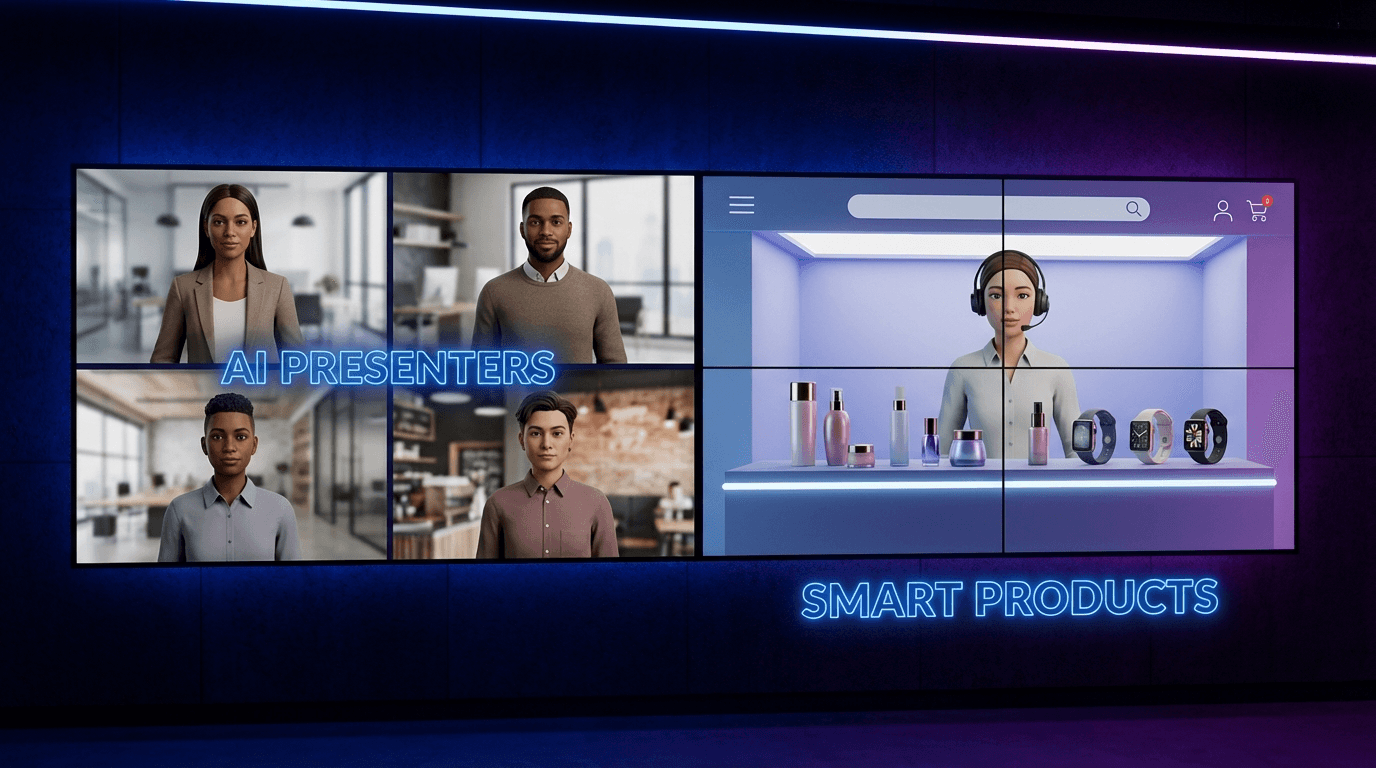
- E-commerce product videos: Full presentations with gestures and product interaction, using AI product video creation to convert URLs to videos
- Training and onboarding: Corporate training materials that need consistent delivery across locations
- Multilingual marketing: Campaigns requiring video translation and dubbing in 70+ languages with lip-sync
- Educational content: Online courses where instructor presence matters
- App store listings: Professional demos for Google Play and Apple App Store
Cross-Border E-Commerce Applications
For Amazon, Shopify, eBay, and Etsy sellers, avatar cloning offers a clear advantage. You can create product demonstration videos in one language, then automatically generate versions in dozens of languages with accurate lip-sync. The avatar maintains consistent branding and presentation quality across all markets.
Which Technology Should You Choose
Your choice depends on three factors: production volume, quality requirements, and localization needs.
Choose Face Cloning If:
- You need high-volume, quick-turnaround content
- Your videos are primarily talking-head format
- You're testing content before committing to full production
- Budget constraints limit upfront investment
Choose Avatar Cloning If:
- Professional quality is non-negotiable
- You need full-body presence in videos
- Multilingual localization is part of your strategy
- You want to turn ideas into videos with consistent branding
- Training or educational content requires instructor-like delivery
Tip: Many businesses start with face cloning for social content and graduate to avatar cloning for flagship marketing materials. The technologies complement each other in a comprehensive video strategy.
Frequently Asked Questions
Is face cloning AI the same as deepfake technology?
Face cloning uses similar underlying technology as deepfakes—both employ GANs and neural networks. The difference is consent and purpose. Legitimate face cloning platforms require you to clone only your own face or faces you have permission to use. The technology creates authorized digital representations for content production, not deceptive impersonation.
How much footage do I need to create an avatar clone?
Most platforms require 1-2 minutes of recorded video for avatar cloning. Some services can create basic face clones from just a few photos, though video input produces more natural results. Higher quality input footage leads to more realistic output.
Can AI avatars speak languages I don't know?
Yes. Avatar cloning platforms with multilingual capabilities can generate your avatar speaking any supported language with accurate lip-sync. Keevx supports 70+ languages and 178 dialects, allowing your digital twin to present content globally without you learning new languages.
What about voice cloning—is that included?
Voice cloning is typically a separate but integrated feature. Face cloning may pair with text-to-speech for basic voice, while avatar cloning often includes voice cloning trained on your actual speech patterns. This creates a more authentic result where both appearance and voice match.
How do I protect my digital identity when using these tools?
Choose platforms with clear data protection policies. Ensure you retain ownership of your cloned identity and understand how your data is stored and used. Legitimate platforms will have strict consent verification to prevent unauthorized cloning.
Conclusion
Face cloning AI and avatar cloning serve different points on the video production spectrum. Face cloning delivers speed and volume for talking-head content. Avatar cloning provides the full digital human experience for professional, multilingual video production.
For e-commerce sellers and marketers scaling across borders, avatar cloning combined with multilingual localization offers the clearest path to consistent, high-quality video content. For social media creators and those testing content concepts, face cloning provides an accessible entry point.
The technology continues advancing rapidly. Avatar 3.0 capabilities now capture nuances that were impossible just a year ago. Whether you choose face cloning, avatar cloning, or both, the goal remains the same: creating engaging video content at scale without the traditional constraints of cameras, studios, and filming schedules.
