
Best AI Video Translators in 2026: Features, Quality & Use Cases
Explore the best AI video translators available in 2026, featuring advanced lip-sync technology, voice cloning, and support for 100+ languages to reach global audiences.
TL;DR: AI video translators in 2026 deliver 95-98% accuracy with lip-sync technology, voice cloning, and support for 100+ languages. These tools reduce translation costs by up to 15x compared to traditional dubbing while producing results in minutes instead of weeks.
Video language translation has transformed from a luxury service into an essential business tool. Whether you're selling products across borders, creating training content for global teams, or reaching new audiences on YouTube and TikTok, AI video translators make multilingual content accessible to businesses of all sizes.
This guide breaks down the best AI video translation tools available in 2026, comparing their features, quality benchmarks, pricing, and ideal use cases. You'll learn exactly what to look for and how to choose the right solution for your specific needs.
How AI Video Translation Works
Modern AI video translation combines several technologies to create seamless multilingual content. The process typically involves four key steps:
- Transcription: AI converts spoken dialogue into text using speech-to-text technology
- Translation: Neural machine translation renders the text into target languages
- Voice synthesis: Text-to-speech or voice cloning generates new audio tracks
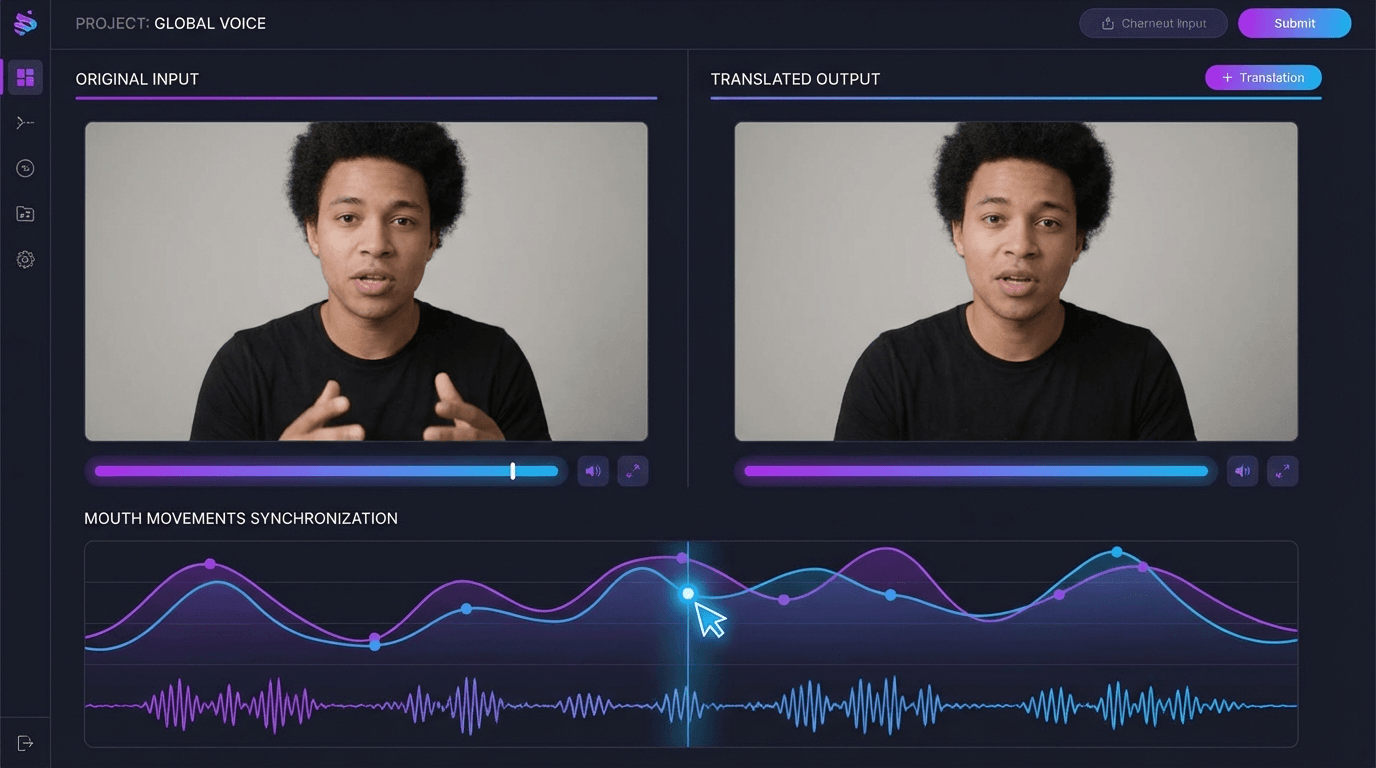
- Lip synchronization: AI adjusts mouth movements to match translated audio
The most advanced platforms with video translation and dubbing capabilities handle this entire pipeline automatically. You upload a video, select target languages, and receive fully localized content—often within minutes.
Lip-Sync Technology Explained
Lip-sync represents the most technically impressive aspect of video language translation. The AI analyzes facial expressions and original mouth movements, then modifies the speaker's face to match translated audio. This creates the illusion that the speaker actually delivered the content in the target language.
For best results, videos should feature clear face visibility, good lighting, and minimal obstructions. Single-speaker content with clean audio produces the most natural lip-sync output.
Key Features to Look For
Not all AI video translators are created equal. Here's what separates professional-grade tools from basic options.
Language Support and Accuracy
Top platforms support 100-175+ languages and dialects. According to industry benchmarks, leading tools deliver 95-98% translation accuracy—comparable to professional human translators for most content types.
Look for platforms that handle your specific language pairs well. Some tools excel at European languages while others specialize in Asian markets.
Voice Cloning Quality
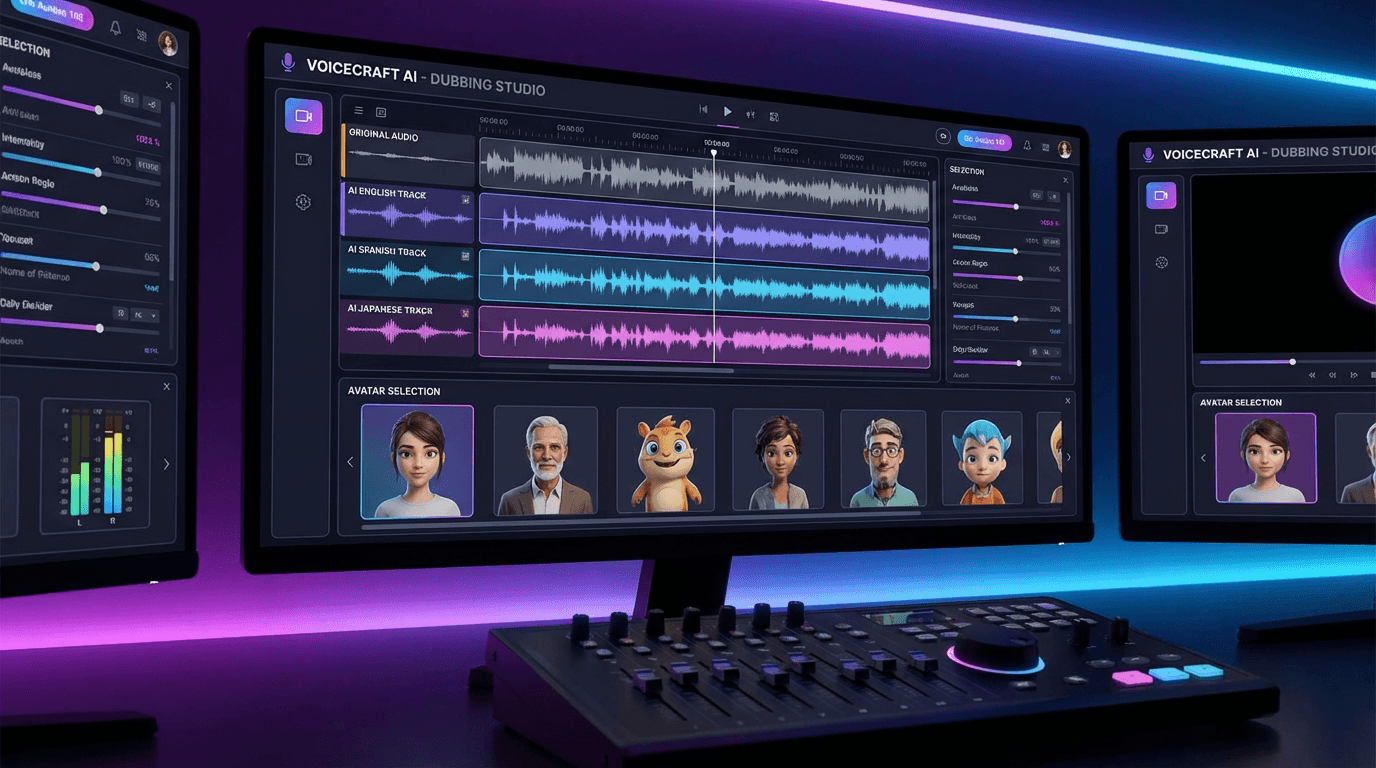
Voice cloning preserves the original speaker's tone, pitch, and delivery across languages. This matters significantly for brand consistency—your CEO should sound like themselves whether speaking English, Spanish, or Mandarin.
Platforms with advanced AI avatar and voice cloning features offer the most authentic results. The technology has improved dramatically, making cloned voices nearly indistinguishable from original recordings.
Processing Speed
Speed varies significantly across platforms. Some tools deliver translated videos in under 10 minutes while others require several hours for longer content. For businesses producing content at scale, minute-level production makes a substantial difference in workflow efficiency.
Tip: Batch processing capabilities matter for high-volume needs. Look for platforms that let you queue multiple videos and target languages simultaneously.
Best Use Cases for AI Video Translation
AI video translators serve diverse industries, but certain applications deliver particularly strong ROI.
E-Commerce and Cross-Border Sales
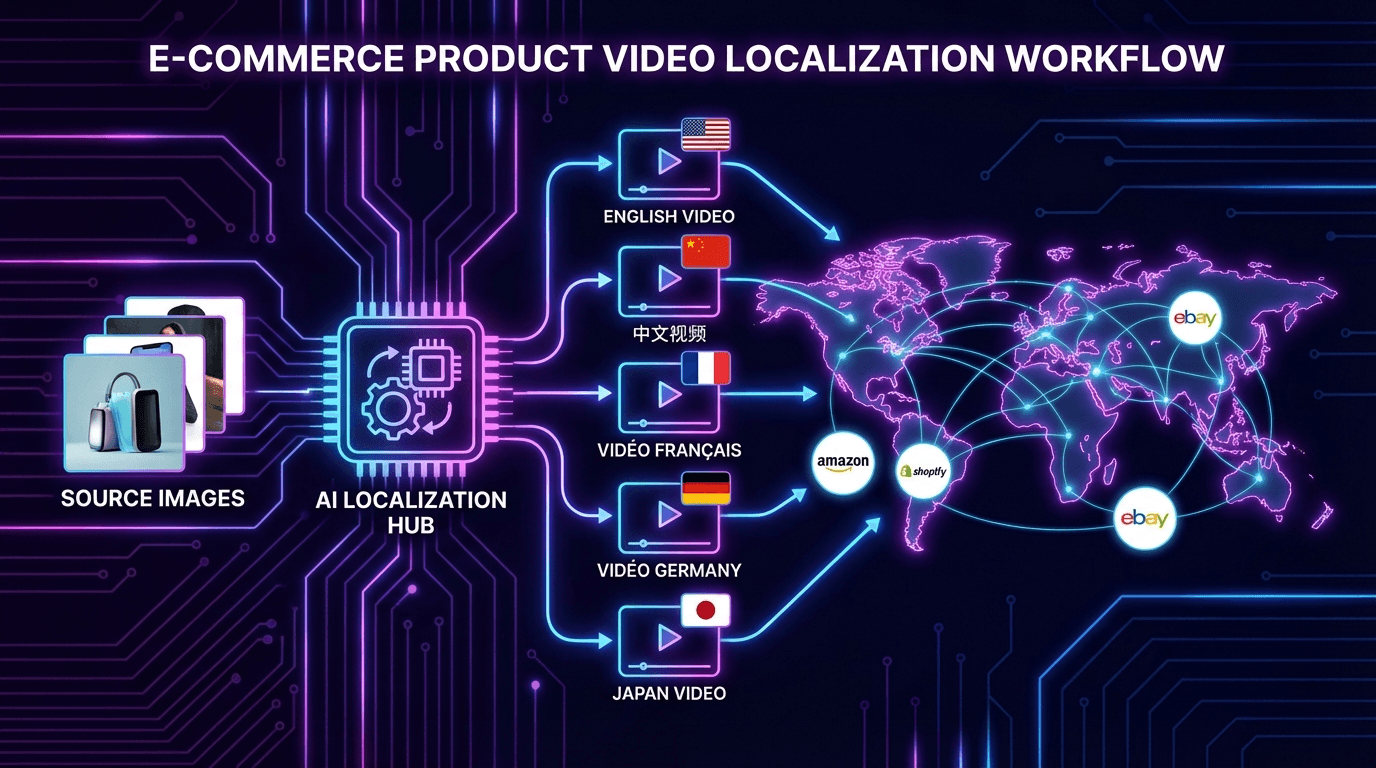
Cross-border merchants use video translation to create product demos, ads, and explainer content for international markets. Instead of producing separate videos for each region, you translate existing content into dozens of languages.
Platforms that convert product images into videos and then translate them streamline this even further—turning a single product listing into localized video ads for Amazon, Shopify, eBay, and TikTok Shop across multiple countries.
Corporate Training and HR
Global companies face a constant challenge: creating training materials that work across regions. AI translation lets HR teams produce onboarding videos, compliance training, and internal communications in every language their workforce speaks—without hiring voice actors or dubbing studios for each version.
Education and Online Courses
Course creators expand their addressable market significantly through multilingual localization. A course recorded in English can reach Spanish, Portuguese, French, German, and Mandarin-speaking students with consistent quality across all versions.
Marketing and Advertising Agencies
Agencies serving international clients benefit from rapid localization capabilities. Creating campaigns across multiple markets no longer requires separate production budgets for each region.
Pricing and ROI Comparison
Understanding the cost structure helps you budget effectively and calculate return on investment.
AI Translation Pricing Models
Most platforms use one of three pricing approaches:
- Per-minute: $2-20 per minute of translated video
- Subscription: $20-150 monthly for included minutes
- Pay-as-you-go: Credits purchased as needed, typically $10-50 minimum
Premium features like lip-sync and voice cloning often cost extra or require higher-tier plans.
Traditional vs AI Translation Costs
Traditional professional dubbing costs $500-2,000 per minute and requires weeks of production time. AI alternatives deliver comparable quality at a fraction of the cost—industry data suggests up to 98% cost reduction and 70-90% time savings.
For a 5-minute product video translated into 10 languages:
- Traditional dubbing: $25,000-100,000 and 4-8 weeks
- AI translation: $100-500 and same-day delivery
The math favors AI solutions decisively for most business applications.
How to Choose the Right Tool
Selecting the best platform depends on your specific requirements. Consider these factors:
Volume needs: High-volume producers benefit from unlimited or high-minute subscriptions. Occasional users may prefer pay-as-you-go models.
Quality requirements: Customer-facing content like ads and product videos demands premium lip-sync and voice cloning. Internal training materials may work fine with basic dubbing.
Language coverage: Verify support for your target markets. Some platforms excel at major languages but lack coverage for smaller markets.
Integration requirements: Look for platforms that connect with your existing workflow—whether that's direct URL-to-video conversion for e-commerce or API access for automated pipelines.
Support and reliability: Enterprise users should prioritize platforms with dedicated support and guaranteed uptime.
Frequently Asked Questions
How accurate is AI video translation compared to human translators?
Leading AI video translators achieve 95-98% accuracy according to industry benchmarks. This rivals professional human translators for most content types. However, highly technical, legal, or culturally sensitive content may still benefit from human review. Many platforms offer hybrid options with AI translation plus professional quality assurance.
Can AI translate videos with multiple speakers?
Yes, advanced platforms support multi-speaker translation. The AI identifies different voices and applies appropriate translations to each. However, single-speaker content typically produces cleaner results. For interviews or panel discussions, look for platforms specifically advertising multi-speaker support.
How long does AI video translation take?
Processing time varies by platform and video length. Most tools complete translations in 10-30 minutes for videos under 10 minutes. Longer content or precision lip-sync modes may require 1-2 hours. This represents a dramatic improvement over traditional dubbing timelines of several weeks.
What video formats work with AI translators?
Standard formats like MP4, MOV, and AVI work with most platforms. Output quality options typically include 720p, 1080p, and sometimes 4K. Check specific platform requirements before starting—some impose file size or duration limits on lower-tier plans.
Conclusion
AI video translation in 2026 offers unprecedented accessibility for businesses expanding globally. The combination of high accuracy, lip-sync technology, voice cloning, and rapid processing makes multilingual video content achievable at any scale.
Key takeaways for selecting your tool:
- Prioritize lip-sync quality for customer-facing content
- Verify language support for your specific markets
- Calculate ROI based on your production volume
- Test multiple platforms before committing to annual plans
For e-commerce sellers, marketing teams, and content creators, the ability to translate videos in minutes rather than weeks transforms what's possible for global reach. The technology continues improving while costs decrease—making 2026 an ideal time to integrate video language translation into your content strategy.
